What are the protected species of Martinique's fauna?
In Martinique, on land as well as at sea, eco-responsible behaviour is essential to preserve the various species on the island, particularly the protected species. But what are they? Follow the guide.
Cetaceans and marine mammals
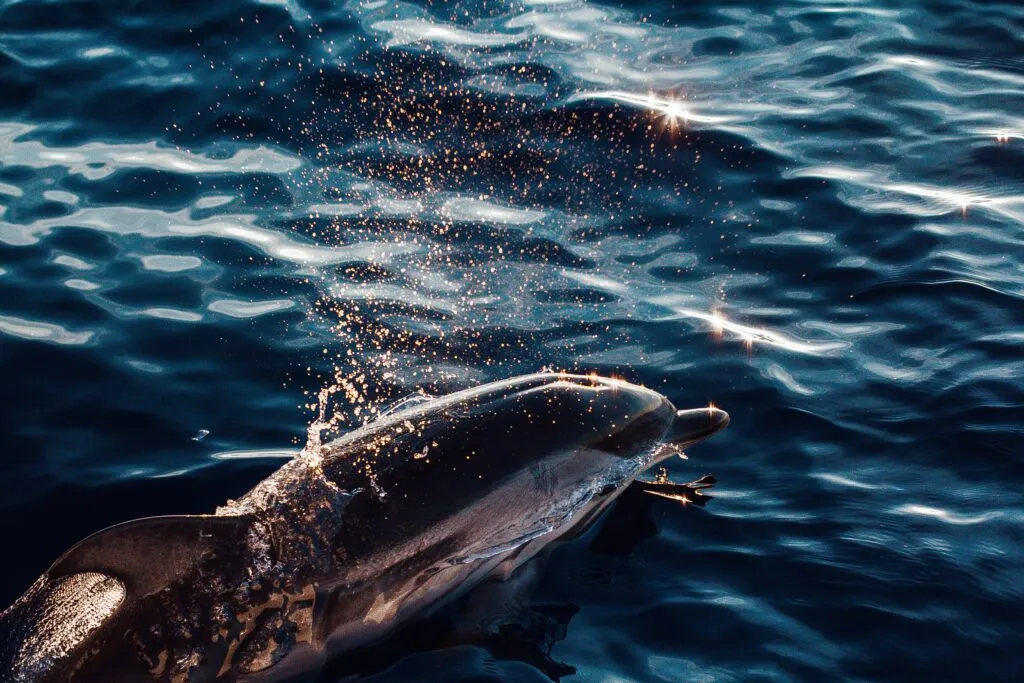
The waters of Martinique are home to several species of cetaceans. During a boat trip in the northern Caribbean, for example, you may spot sperm whales, bottlenose dolphins, or spotted dolphins playing in the waves, or even an impressive humpback whale during the breeding season from January to May. In total, around twenty species of cetaceans live in Martinique's waters.
Although these different species of cetaceans are not subject to the same level of threat according to the IUCN (International Union for Conservation of Nature) Red List, they are nonetheless protected. In Martinique, 10% of cetaceans are already considered endangered, mainly sperm whales... Humpback whales are classified as "vulnerable" and therefore require special attention to preserve them.
The good news is that with the creation of the Agoa Sanctuary, a marine protected area covering more than 140,000 km² stretching from St. Barth and St. Martin to Guadeloupe and Martinique, cetaceans passing through the Caribbean are in good hands. The sanctuary's mission is to conserve and protect these species from human activity, particularly at sea. Regulations and rules for approaching cetaceans are strict. Be sure to get informed before any outing where you might encounter cetaceans!
Marine turtles
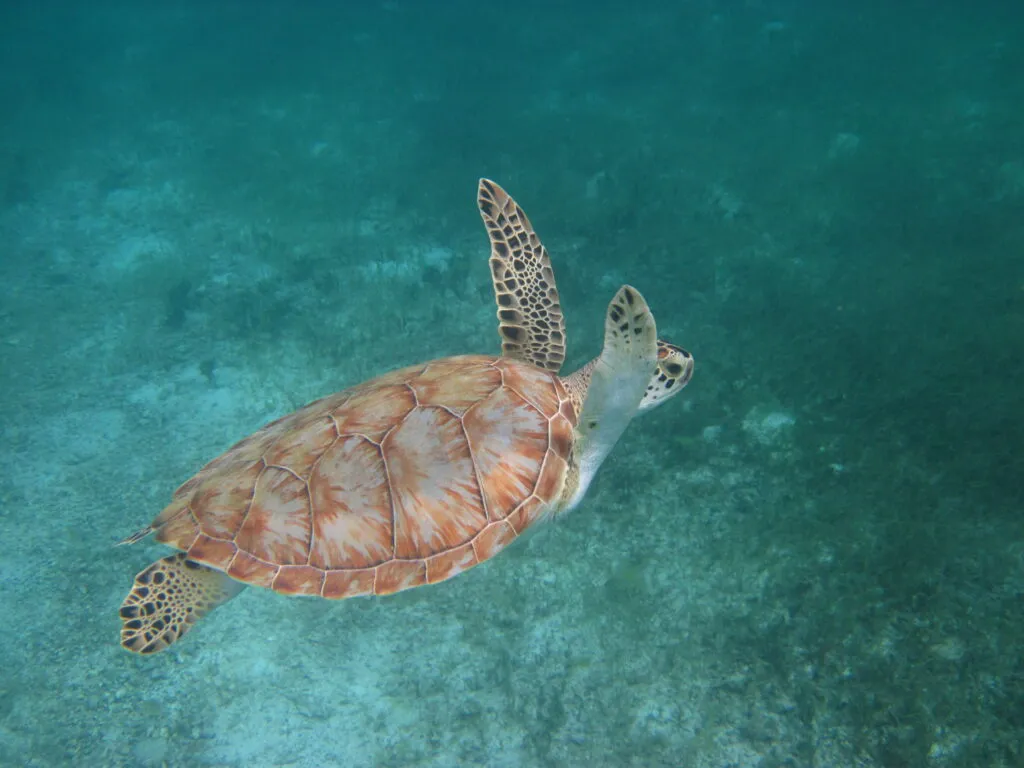
Boat trips in Martinique can be an opportunity to spot sea turtles. But although the turtles at Anse Dufour beach in Anses d'Arlet seem to have no problem swimming alongside humans chasing them with their masks and snorkels, you have probably already heard that it is forbidden to touch them. This is not insignificant, as all sea turtles are protected in Martinique, whether they are green, loggerhead, hawksbill, leatherback, or olive ridley turtles. Green and leatherback turtles in particular are unfortunately classified as endangered.
To do your part as a sea user, protect the seagrass beds that provide them with food, prevent your waste from ending up in the sea, and keep your distance, whether snorkeling or on a boat, to avoid harming them.
The Réseau Tortues Marines de Martinique (Marine Turtle Network of Martinique) brings together many actors on the island (associations, government services, companies, etc.) committed to the protection of these wonderful reptiles. For more information and to find out how to be an ally of marine turtles, visit www.tortuesmarinesmartinique.org.
Endemic iguanas
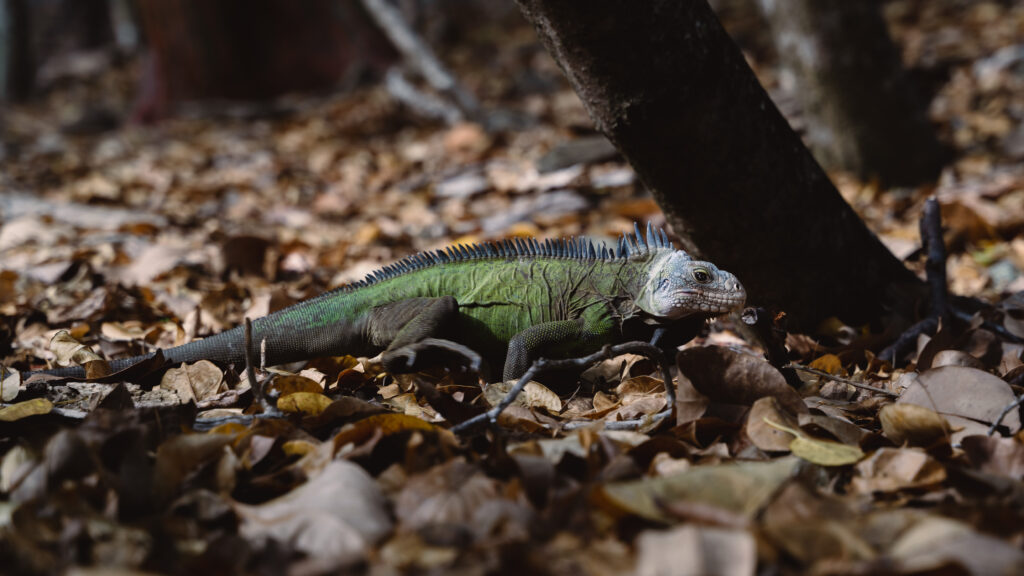
Speaking of reptiles, let's take a look at iguanas, another protected species in Martinique. Iguanas are large lizards that walk on land, climb trees, and can even swim in the sea. You can see them in particular at Place de la Savane in Fort-de-France, during a visit to Fort-Saint-Louis, or on Chancel Island in Robert Bay, which is home to a beautiful colony of endemic iguanas.
Due to the invasion of the common iguana or striped iguana (look for the striped tail and the plate above the eardrum to recognize it), the iguana delicatissima or Lesser Antilles iguana, a species endemic to Martinique, is now classified as critically endangered despite the awareness and conservation efforts of the National Action Plan for Lesser Antilles Iguanas.
In Martinique, the Lesser Antillean Iguana Network is responsible for the protection of our endemic iguanas.
Seabirds
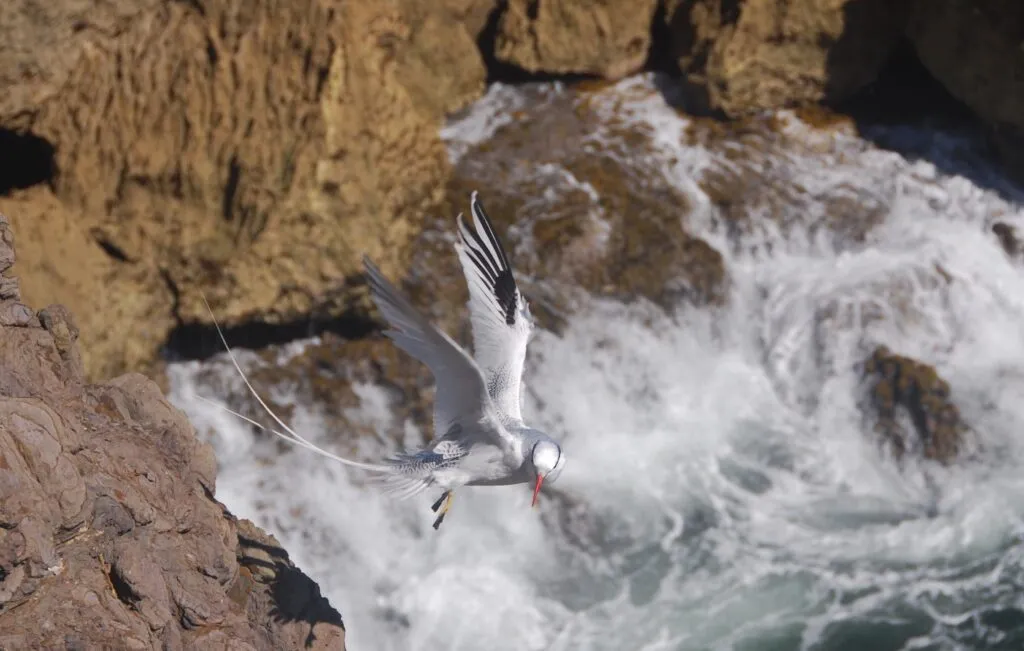
233 species of birds, 217 indigenous species, 35 species of seabirds, 3 endemic species including one strictly endemic to Martinique - the blackbird or oriole - is the picture that can be drawn of Martinique's avifauna. If we continue the count, there are no less than 108 species of birds that are protected on the island!
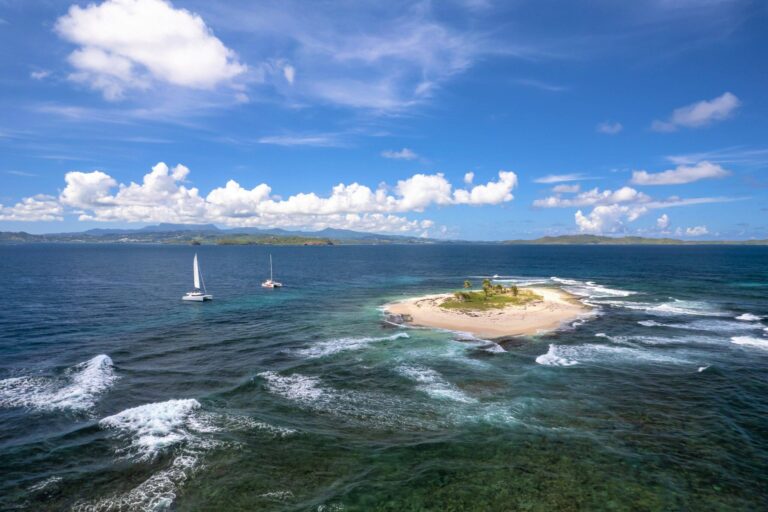
Several of Martinique's 48 islets are protected by a biotope protection order or have national nature reserve status due to their importance for the preservation of seabird populations. This is particularly true of Rocher du Diamant, a veritable bird sanctuary where visitors are not allowed to disembark, which is home to populations of magnificent frigatebirds, bridled terns, and red-and-yellow-billed tropicbirds, among others.
The same applies to the Sainte-Anne National Nature Reserve, which includes the islets of Burgaux, Poirier, Percé, and Hardy, all four of which are considered bird sanctuaries as major nesting sites in the Caribbean. Here you can observe tropicbirds, brown noddies, Audubon's shearwaters, and terns, provided you do not approach within 100 meters of the islets. It should also be noted that anchoring is prohibited within 300 meters of the islets and is only permitted at the four buoys located opposite Hardy Island.
To monitor and contribute to the conservation of Martinique's birdlife, the Le Carouge association is the expert in this field.
Bats
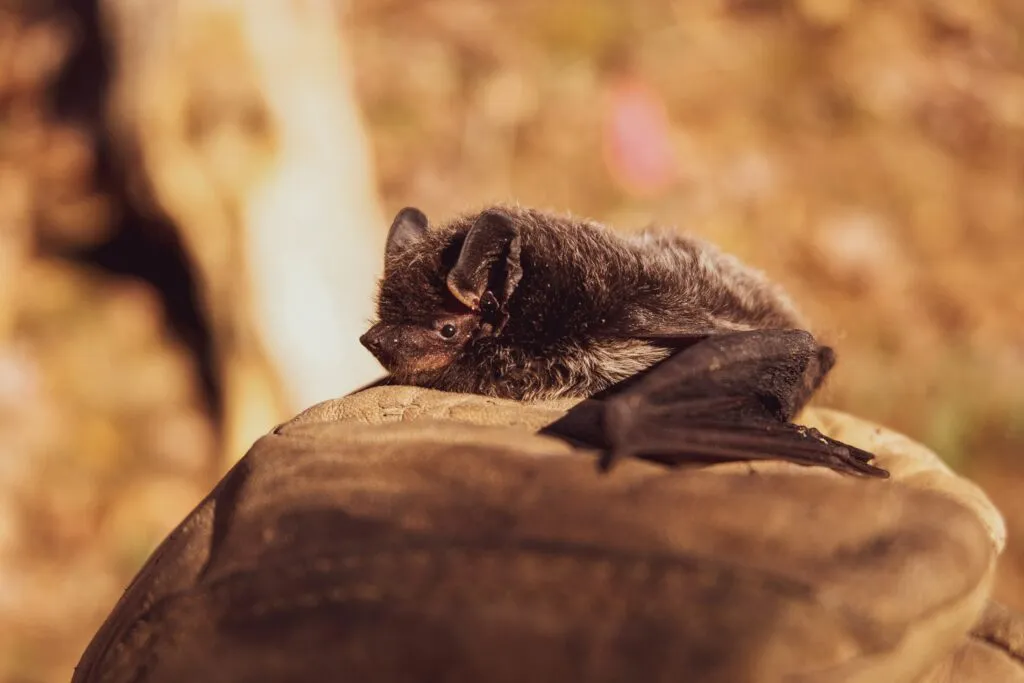
There are no fewer than 11 species of bats found in Martinique, only one of which is actually endemic: the Martinique bat, or Myotis martiniquensis, to give it its scientific name. Due to the degradation of their habitat, these different species of bats have been protected by a ministerial decree since 2018.
In practice, this means that it is forbidden to physically harm them; to capture them, kill them, or hide them; or to damage their roosts—places where they rest and reproduce. It is also forbidden to disturb or chase them! Keep this in mind when sailing near bat caves.
What exactly are the conservation measures for protected species?
- It is prohibited to destroy, maim, capture, or remove protected species.
- It is prohibited to possess, transport, naturalize, peddle, sell, offer for sale, or purchase protected species.
In the case of critically endangered species, this is in addition to :
- The prohibition of intentionally disturbing species in their natural environment;
- The prohibition of damaging the habitat of protected species and harming the elements necessary for their reproduction and rest.
Due in large part to human activity, many species on the island are vulnerable, threatened, or even endangered. Please be sure to comply with the various protection regulations during your sea excursions in Martinique.
Article written by : Axelle DORVILLE