Walk along the Caribbean coast in Martinique
Complete a group
Balade en pirogue traditionnelle
A partir de 30€
Découvrez une balade en pirogue traditionnelle au départ de l’Anse à l’Ane, une expérience douce et éco‑responsable guidée par Fougè Béni. En petit comité, vous naviguez le long des côtes…
Half day
Introduction to Traditional Sailing
Starting at $39
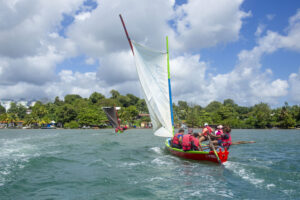
Discover the art of sailing on a gommier or a yole, Martinique's iconic traditional sailboats, in a warm and authentic atmosphere, ideal for friends or colleagues. Your sessions will be...
Complete a group
100% ZEN Discovery Day
Starting at $110
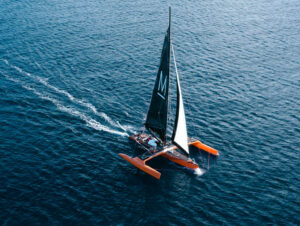
Spend a timeless day dedicated to awakening your senses in the company of Captain Pol on his trimaran Fildou. An eco-friendly sailing trip to discover...
Privatization
Madisail Privatization Day
Starting at $1,100
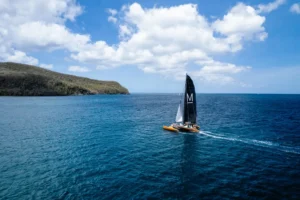
Spend a timeless day dedicated to awakening your senses in the company of Captain Pol on his trimaran Fildou. An eco-friendly sailing trip to discover...
Complete a group
Day on the North Caribbean Coast
Starting at $70
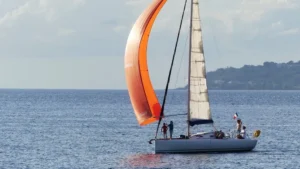
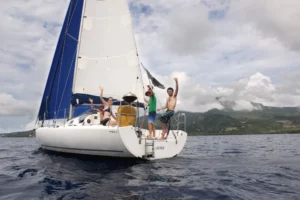
Discover the joys of fast sailing on an ocean-going racing yacht. Thrills guaranteed! Explore the secluded coves of the island's north coast... and other treasures of...
Privatization
Day on the North Caribbean Coast
Starting at $300
For an event or just for you (3 people max). Discover the joys of fast sailing on an ocean-going racing yacht. Thrills guaranteed! Discover...
Half day
Introductory diving trip
Starting at $60
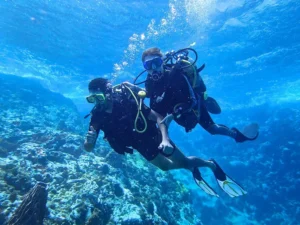
NATIYABEL invites you to discover the island's colorful and protected underwater world. With a personalized approach, trips limited to a maximum of 8 divers per boat, and an experienced team...
Half day
Exploration diving trip – PADI, SSI, FFESSM training
Starting at $220
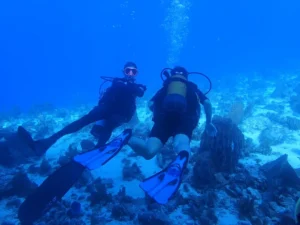
NATIYABEL is an intimate and committed diving center based in Sainte-Anne, offering environmentally friendly underwater experiences. In small groups and with personalized supervision, the team accompanies...
The Caribbean coast of Martinique is protected from the trade winds by its mountain ranges, which is why it is referred to as the "leeward" coast, as one would on a boat.
This coastline can be divided into two parts, north and south, with the large and majestic bay of Fort-de-France in the middle, whose topography allows an almost constant wind to blow from the other side of the island.
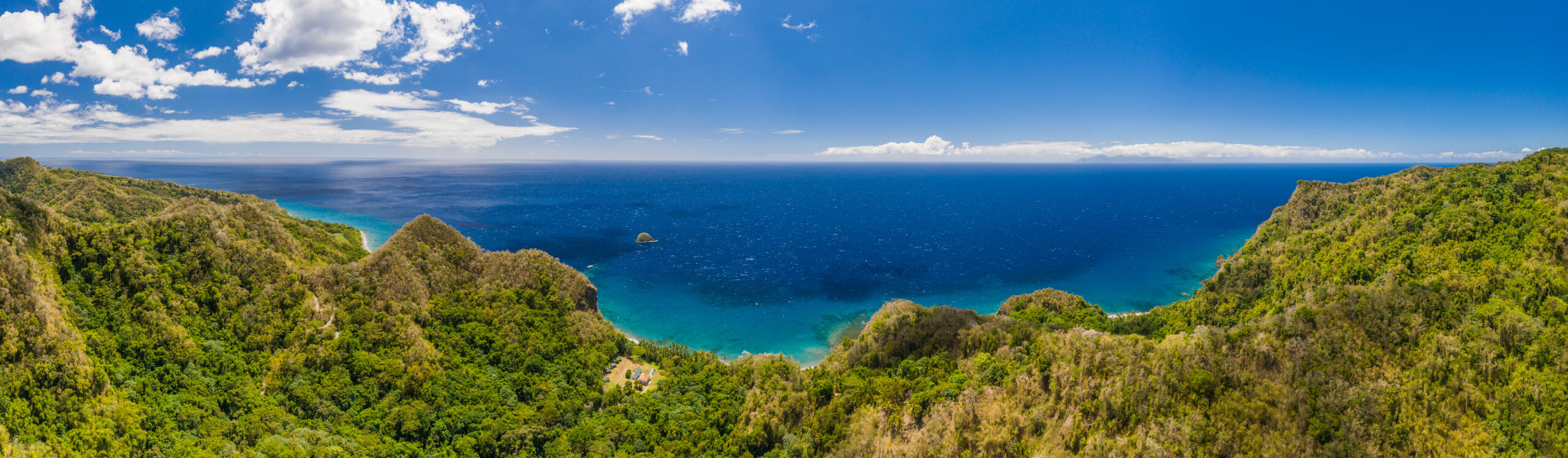
The north is very steep with its mountain ranges that are still young and sometimes crumbly, its rainforest, and its authentic fishing villages.
Its southern part represents the upper part of the Trois-Îlets peninsula. It is dotted with numerous ancient volcanoes, all rounded, which separate the ravines and are covered with dry forest due to the low rainfall in the area.
All along the Caribbean coast, there are four types of coastline: cliffs, beaches, mangroves, and human constructions.
The northern Caribbean coast and its black sand beaches
From Le Prêcheur to Fort-de-France, black sand bays follow one after another, and you often pass from one to another on a hilly road, following the contours of the hills that make this topography so lively.
But the further north you go, the closer the tropical forest on the slopes of Mount Pelée comes to the beach, offering paradisiacal, timeless landscapes. The color of the sand is due to its volcanic origin. And when you look out from Anse Couleuvre beach, you can see the neighboring island of Dominica, like a mirage.
There are many hikes, some of which are quite challenging, around Mount Pelée. But some of them are unique in that they connect land and sea. An easy walk, the Couleuvre waterfall hike takes just 45 minutes to connect Anse Couleuvre to its waterfall, following a river of pure water. Here too, the beaches are nesting grounds for sea turtles, with hawksbill turtles being the most regular visitors, coming to dig the nests that will shelter their future young.
Less touristy than the south, the villages of the northern Caribbean coast retain a relaxing authenticity far from mass tourism. From the sea, you can enjoy the colorful cliffs, the result of the island's long volcanic history.
The recent formation of Mount Pelée and the Pitons du Carbet means that their slopes, which plunge into the Caribbean Sea, are still unstable, with erosion causing some impressive phenomena: from the lahar at Le Prêcheur (mudslides forcing the evacuation of part of the population of this small village due to rains combined with the collapse of large rock masses) to the formation of beaches with pebbles of various sizes.
This is why certain cliffs appear very crumbly from the sea, their rough walls becoming veritable shelters for birds, as is the case with the straw-tailed birds that nest on the cliffs of Anse Four à Chaux, accessible only by sea. On the Caribbean coast, numerous shelters, with no road access, reveal a wild and majestic setting.
The center, its majestic bay of Fort-de-France
Fort-de-France Bay is home to the island's largest mangrove forest. This wetland is a hotbed of biodiversity and a protected area, both ecologically (since the water flowing from the land to the sea is partially filtered by the mangroves before emptying into the sea) and in terms of coastal protection, providing a real barrier against bad weather. It is also a nursery for a large number of fish species and a migratory stopover for no fewer than 93 species of birds.
The calm waters and almost constant wind in the bay make it the perfect playground for sailing enthusiasts. You'll see all kinds of boats here: cruising monohulls, windsurfers with foils, children on Hobbies Cat (small racing catamarans) from one of the many sailing clubs in the area. Sometimes, this ballet takes place around huge cargo ships waiting in the bay before delivering their goods to the Grand Port.
Many of the islets off the Caribbean coast, formed by the island's recent volcanic activity, are grouped together in this bay and are part of the municipality of Trois-Ilets. One of the most remarkable is Îlet à Ramier, a small Strombolian volcano only 400,000 years old. This islet is home to a fort that can be visited with the Karisko association. Opposite are two coves, well known to the tourists who flock there every day: Anse Noire and Anse Dufour.
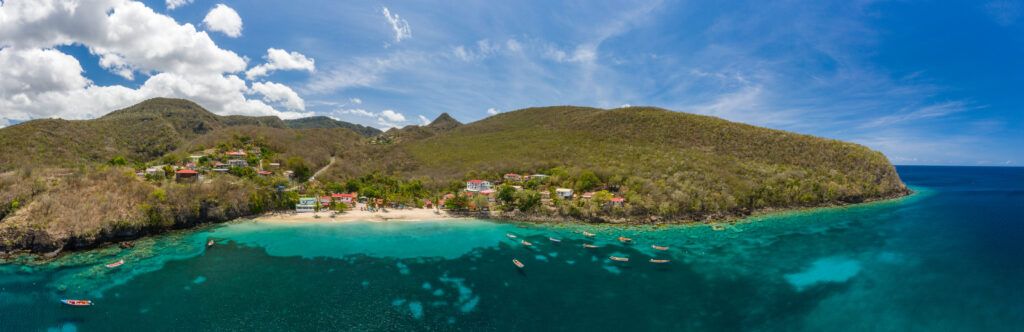
Between these two coves there is a clear distinction between the end of the black sand and the beginning of the white sand.
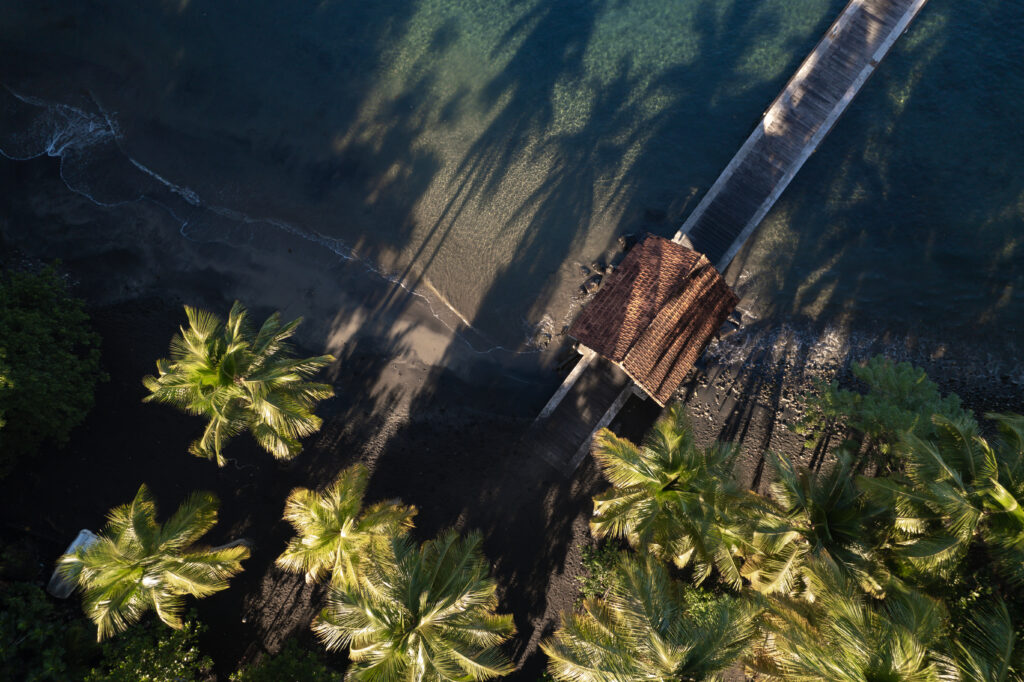
Anse Noire, sheltered in the bay of Fort-de-France and inaccessible by car, is the last black sand beach on the Caribbean coast. Usually, there is no clear boundary between two types of sandy substrate. The mixture of sediment types causes variations in the colors found.
Here, on one side, we have a very enclosed cove with steep terrain and a ravine depositing black sediments of volcanic origin. On the other side, at Anse Dufour, the beach is open, with very few inlets from the land, and a regular deposit of products from the degradation of coral skeletons and other marine organisms, due to significant swells and currents.
The breathtaking seabed of the Caribbean coast
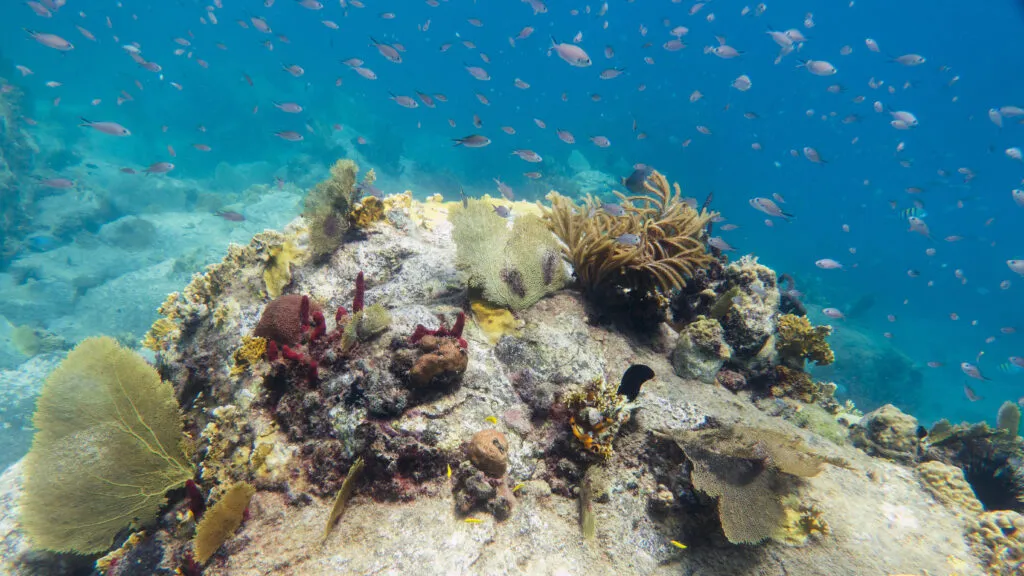
On the Caribbean coast of the island, coral reefs do not stretch for miles, as they do on the Atlantic and southern coasts, but there are many hotspots near the coast in shallow waters, making them easily accessible for snorkeling.
Numerous drop-offs also offer opportunities for deeper dives, whether free diving or scuba diving. The water here is very calm, so underwater activities have become very popular on this side of the island. You will find a large concentration of diving clubs, especially around Anses d'Arlet and Trois-Îlets.
The colors of the fixed fauna (corals, sponges) as well as various fish and mollusks are stunning. It is also possible to dive on certain shipwrecks, both recent and older, particularly those dating back to the eruption of Mount Pelée in 1902 in Saint-Pierre Bay.
Discover sea excursions along the Caribbean coast of Martinique